
Building a Support Network: Resources for the LGBTQ+ ED Community
Let’s be honest: finding support for an eating disorder (ED) can feel like trying to solve a Rubik’s cube in the dark. Now, add being part of the LGBTQ+ community to that mix, and suddenly the cube is missing half its stickers and someone has glued the pieces together.
At The Eating Disorders Clinic, we know that for many in our community, "standard" care has often felt anything but supportive. Whether it’s navigating a healthcare system that doesn't quite "get" gender dysphoria or finding a therapist who understands that your relationship with food is deeply tied to your identity, the hurdles are real.
But here’s the good news: you aren’t a "difficult patient" or a "complex case." If previous treatment hasn't worked, it’s likely a mismatch between the care provided and your specific needs, rather than a personal failing. This blog is about bridging that gap, offering resources that actually see you, and exploring how a support network can be built on your own terms.
Why Identity Matters in Recovery
It is well-documented that individuals within the LGBTQ+ community experience eating disorders at significantly higher rates than their cisgender and heterosexual peers. This isn't because of some inherent flaw in being queer or trans; it’s largely due to minority stress.
When you spend a lifetime navigating a world that might not always be affirming, your brain looks for ways to cope. Sometimes that coping mechanism looks like an eating disorder. It might be a way to manage body dissatisfaction, a tool to regain a sense of control, or even a response to the sensory overwhelm that often accompanies neurodivergence (like ADHD or autism), which has a high overlap with both the LGBTQ+ community and eating disorders.
Understanding this context is the first step toward a formulation-based approach to recovery: one that looks at why these behaviors started before we even think about changing them.
Finding Your People: LGBTQ+ Specific Resources
Building a network doesn't mean you have to join every support group under the sun. It’s about finding the "safe spaces" where you don't have to explain your pronouns or your history every five minutes.
1. The Heavy Hitters (National & International)
Beat (UK): The UK’s primary eating disorder charity offers dedicated information on eating disorders in the LGBTQ+ community. They provide helplines and online chatrooms that are inclusive and non-judgmental.
The Alliance for Eating Disorders (Global/USA): They host a free, virtual, therapist-led LGBTQ+ Pro-Recovery Group every week. It’s a drop-in space for adults (18+) that focuses on connection rather than clinical "fixing."
MindOut: A mental health charity specifically for LGBTQ+ people. While they aren't ED-exclusive, they understand the intersections of identity and mental health better than most.

2. Specialist Directories
If you’re looking for individual therapy, the standard Google search can be a minefield. Instead, try these:
Pink Therapy: The UK's largest directory of therapists who are qualified to work with LGBTQ+, sexually diverse, and gender-diverse clients.
Gendered Intelligence: A great resource for trans and non-binary individuals looking for gender-affirming practitioners.
The Clinic’s Commitment: Year-Round Support
At The Eating Disorders Clinic, we don’t just put up a rainbow logo in June and call it a day. Pride is a year-round commitment to providing online eating disorder treatment that is explicitly inclusive and neurodiversity-informed.
We recognize that for many, especially those who are trans or non-binary, traditional "manualised" treatment models can feel restrictive or even harmful. Our approach is uniquely tailored. Whether you are seeking binge eating disorder support or need a specialist arfid assessment for adults, we start with your lived experience.
Our multidisciplinary team: including psychologists, dietitians, and occupational therapists: works collaboratively with you. We aren't here to force you into a box; we’re here to help you understand your own sensory needs and psychological safety.

Navigating the "System" Without Losing Your Mind
Navigating healthcare as an LGBTQ+ person can feel like a part-time job. Here are a few gentle tips for managing the process:
Interview your providers: You have every right to ask, "What is your experience working with LGBTQ+ patients?" or "How do you handle gender dysphoria within ED treatment?" If they stumble, they might not be the right fit for you.
Seek "Compassionate Authority": You want someone who knows their stuff clinically but treats you as the expert on your own life.
Prioritise Sensory Safety: If you have ADHD or are autistic, "safe foods" might be part of your sensory regulation. A provider who dismisses this as "just part of the ED" isn't seeing the whole picture. Our online clinic specializes in this intersection.
Why Support Matters (Even the Small Stuff)
A support network isn't always a therapist or a formal group. Sometimes it’s a group chat with friends who "get it," a curated Instagram feed that doesn't trigger your body image issues, or a partner who knows that certain restaurant environments are a sensory nightmare for you.
Support is about internal psychological safety. It’s about building a world around you that reduces the need for disordered eating as a coping mechanism.
A Gentle Next Step
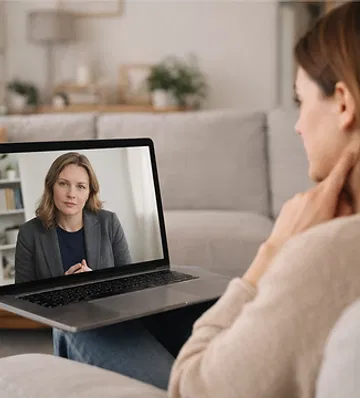
If you’ve spent a long time feeling misunderstood by the medical community, the idea of reaching out again can feel exhausting. We get that. There is no pressure to dive into a high-intensity program tomorrow.
Recovery is a logical, step-by-step process of understanding before intervention. If you’re curious about how our team might support your specific journey, we invite you to explore our clinicians' profiles or simply read more about our approach to assessment.
You deserve a support network that doesn't require you to leave half of yourself at the door. Whether you are looking for community groups or specialist online eating disorder treatment, know that there are spaces: including this one: where your identity is celebrated, not pathologized.
At your own pace, when you’re ready, we’re here to help you figure out what your "safe space" looks like.