
Dietitians Week 2026: More Than Just a Job – The Vital Role of Dietitians in Eating Disorder Recovery
Dietitians Week 2026 is here, and this year’s theme from the British Dietetic Association (BDA), "More than just a job," resonates deeply with us. In the specialist world of eating disorder recovery, a dietitian is often the bridge between the overwhelming complexity of a "broken" relationship with food and the steady, grounded reality of nourishment.
But at The Eating Disorders Clinic, being a dietitian goes even further. For us, it’s about providing neurodivergent eating disorder care that respects the unique wiring of every brain we support. Whether we are navigating sensory food issues, managing the executive function hurdles of ADHD, or providing specialist ARFID for Children, our dietitians don’t just "give out meal plans." They offer a vocation of deep empathy, clinical precision, and unwavering advocacy.
In honor of #DW2026, we’re taking you through the week, exploring what it truly means to be a dietitian in our specialist online clinic.
Monday: Our Vocation – The 'Why' Behind the Work
Why does someone choose to become an eating disorder dietitian? For many on our team, it wasn't just a career path; it was a calling to change the narrative around food and bodies.
Traditional dietetics often focuses on rigid numbers, strict categories, and "standard" nutritional advice. However, our clinicians realized early on that these models often fail the people who need them most, especially those who are neurodivergent.
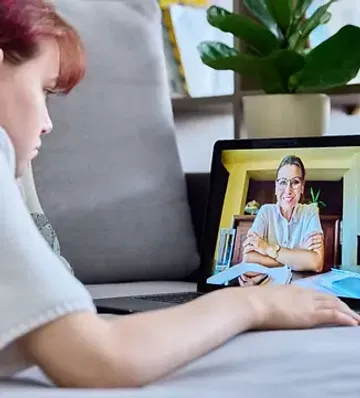
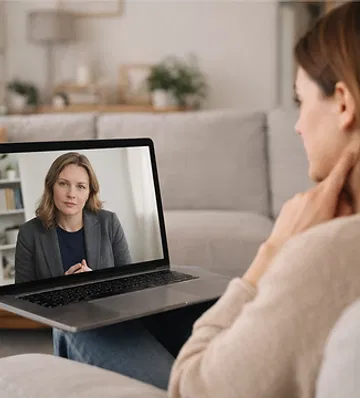
The "why" behind our work is simple: we believe that everyone deserves to feel safe in their body and at their table. Our vocation is grounded in the belief that "recovery" isn't a one-size-fits-all destination. It is a highly individual process of finding safety, reducing distress, and building a life that feels worth living. This is why we specialize in online eating disorder treatment; it allows us to meet you where you are most comfortable, in your own environment, where your sensory needs are met, and your routine is your own.

Tuesday: Our Work – Navigating the Moments That Matter
The "work" of an eating disorder dietitian is complex. It’s a delicate balance of medical safety and psychological support. On any given Tuesday, our dietitians are navigating the nuances of ARFID (Avoidant/Restrictive Food Intake Disorder), where the primary challenge isn't a desire for thinness, but a profound sensory aversion or a lack of interest in eating.
Neurodivergent eating disorder care requires us to look beyond the plate. We ask:
How does the sound of this food impact your nervous system?
Does your ADHD make the process of cooking feel impossible?
Are your hunger cues "muted" due to interoception differences common in autism?
Our work involves de-pathologizing these struggles. We don't see a "picky eater"; we see someone with valid sensory food issues who needs a tailored strategy, not a lecture on "healthy eating." By using evidence-based tools like food chaining and sensory-graded exposure, we help our clients expand their "safe" world at a pace that feels tolerable, never forced.
Wednesday: Our Celebration – The Strength of the Multidisciplinary Team
Dietetics doesn't happen in a vacuum. One of the most vital parts of our approach is the multidisciplinary team (MDT). Today, we celebrate the collaboration between our dietitians, psychologists, and occupational therapists.
In a "standard" clinic, you might see a dietitian for food and a therapist for feelings. But for someone struggling with an eating disorder, particularly those who also need an ADHD assessment or autistic support, these things are inextricably linked.
Our dietitians work side-by-side with our mental health specialists to ensure that a nutritional goal doesn't trigger a psychological setback. We celebrate the "small" wins that are actually huge: a child with ARFID trying a new texture, an adult with ADHD setting up a low-demand "snack station," or a family finally having a mealtime that doesn't end in tears. This collaborative spirit is what makes our online specialist care so effective.

Thursday: Our Impact – Making the Value of Dietetics Visible
The impact of specialized dietetic support can be profound, yet it is often quiet. It’s the difference between a person feeling "broken" by their inability to eat "normally" and realizing that their brain just needs a different set of instructions.
When we work with ARFID for Children, the impact ripples through the entire family. We see parents move from a state of constant fear and guilt to a place of empowerment and understanding. We see children who were failing to thrive start to gain energy and confidence because we stopped trying to "fix" their neurotype and started nourishing their bodies in a way that respects their sensory boundaries.
Our impact is also seen in the way we challenge the status quo. By providing neurodivergent eating disorder care, we are showing the wider healthcare community that weight-centric, rigid models of treatment can actually be harmful. The true value of our dietitians lies in their ability to provide "understanding before intervention."
Friday: Our People – Spotlight on the Team and Our Patients
Finally, we come to the heart of everything we do: the people.
Our team of clinicians, including specialists like our dietitians and psychologists, are not just experts; they are compassionate partners in your journey. We understand the "minority stress" that comes with being neurodivergent in a world designed for neurotypicals. We understand the exhaustion of "masking" and how that exhaustion can fuel disordered eating.
But "our people" also includes you, our patients and their families. You are the ones showing up every day, doing the hard work of recovery in a world that doesn't always make it easy. Whether you are seeking help for Anorexia, Binge Eating Disorder, or complex disordered eating, you are the reason our work matters.
A Gentle Next Step
If you or a loved one are struggling with your relationship with food, please know that you don't have to fit into a "standard" diagnostic box to deserve help. Your struggles are valid, your sensory needs are real, and your recovery is possible.
At The Eating Disorders Clinic, we offer a collaborative, flexible approach that fits your life: not the other way around. Our specialist dietitians are here to help you navigate the complexities of nutrition in a way that feels safe, respectful, and ultimately, empowering.
Ready to explore a different kind of support? We invite you to learn more about our clinicians or get in touch to see how our neuro-inclusive team can support your unique path to recovery. There is no pressure to commit: just an invitation to gather information and see if we are the right fit for you.