
Eating Disorders Don't Have a "Look": Embracing Diversity in Recovery
- May 8
- 4 min read

For too long, the cultural narrative surrounding eating disorders has been narrow, rigid, and ultimately exclusionary. When we think of an "eating disorder," the image that often comes to mind: the one reinforced by media and historically by medical systems: is that of a young, white, emaciated cisgender woman.
But this "look" is a myth.
At The Eating Disorders Clinic, we know that eating disorders are heterogeneous. They do not discriminate based on age, gender identity, race, socioeconomic status, or body size. In fact, most people struggling with disordered eating do not fit the stereotypical physical profile. This disconnect between public perception and clinical reality often creates a barrier to support, leaving many to feel that they are "not sick enough" or that their experience is "atypical."
If you have ever felt that your struggle wasn’t valid because you didn’t fit a specific mold, we want you to know that we see you. Your experience is real, and it deserves specialist, compassionate care tailored to who you actually are: not who the stereotypes say you should be.
Moving Beyond the BMI Myth
One of the most persistent hurdles in eating disorder treatment is the over-reliance on the Body Mass Index (BMI). While weight can be one clinical marker, it is rarely the most informative one. Many individuals living with Anorexia, Bulimia, or Binge Eating Disorder live in bodies that are considered "average" or "higher weight."
When we focus solely on physical appearance, we miss the internal psychological distress and the physiological impact of disordered behaviors. A person’s health and the severity of their eating disorder cannot be determined by a glance or a number on a scale.
We take a formulation-based approach to care. This means we look beyond the symptoms to understand the "why" behind the behaviors. We focus on your internal psychological safety and your relationship with food, rather than external behavioral compliance. By understanding the function your eating disorder serves in your life, we can work together to find safer, more sustainable ways to cope.

The Intersection of Neurodiversity and Eating Disorders
One of the most overlooked areas in traditional eating disorder treatment is the profound intersection with neurodivergence. For many autistic people or those with ADHD, eating "challenges" aren't always about body image or weight.
For instance, ARFID (Avoidant/Restrictive Food Intake Disorder) is frequently linked to sensory sensitivities or a low interest in eating, rather than a desire for thinness. Similarly, individuals with ADHD may struggle with the executive function required for regular eating, or use food as a way to regulate dopamine.
When treatment models are strictly manualised and designed for neurotypical populations, they can feel dismissive or even traumatising for neurodivergent individuals. A "one-size-fits-all" meal plan might ignore sensory aversions to certain textures, making recovery feel like an impossible uphill battle.
Our clinic is neurodiversity-informed. We understand that for many, sensory safety is a prerequisite for nutritional stability. We offer comprehensive ADHD assessments and specialist support that respects your unique cognitive profile. We don't try to "fix" your neurodivergence; we adapt the treatment to fit your brain.
Men and the Invisible Struggle
Men make up a significant portion of those experiencing eating disorders, yet they are far less likely to be diagnosed or seek help. The "look" of an eating disorder in men often presents differently: perhaps as an obsession with muscularity, "clean eating," or excessive exercise rather than a drive for thinness.
Because these behaviors are often culturally celebrated as "fitness" or "discipline," they can mask deep psychological distress. The shame of struggling with what is often mislabelled as a "female illness" can keep men in silence for years.
Whether you are a man, non-binary, or gender-diverse, your path to recovery is valid. We provide a neutral, non-judgmental space where you can explore these challenges without the pressure of gendered expectations.
Understanding Before Intervention
In many traditional settings, the pressure is on the patient to "get better" through sheer willpower or compliance with rigid rules. At The Eating Disorders Clinic, we shift that focus. We believe in understanding before intervention.
Our multidisciplinary team: which includes psychologists, dietitians, and occupational therapists: works collaboratively with you. We don't just tell you what to do; we explore how your environment, your sensory needs, and your mental health history (including trauma or depression) intersect with your eating.
This process isn't about "fixing" a flaw; it’s about building a life that feels manageable and safe. We view recovery as a logical, step-by-step process of reclaiming autonomy.
What Diverse Recovery Looks Like:
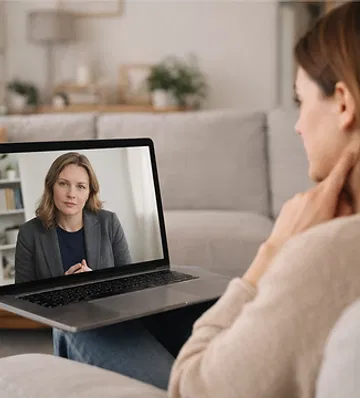
Flexible Support: Online sessions that fit into your life, reducing the sensory and logistical load of travelling to a clinic.
Sensory Awareness: Acknowledging that "healthy eating" looks different for someone with sensory processing differences.
Cultural Competence: Recognising how ethnicity and heritage influence our relationship with food and body.
Inclusive Language: Removing moralising labels like "good" or "bad" from the conversation about food.

A Gentle Next Step
The realization that you might need support can be overwhelming. You may still be telling yourself that you aren't "sick enough" or that you don't fit the profile of someone who needs an eating disorder clinic.
We want to lower that barrier. You don't need to have a specific diagnosis or look a certain way to deserve help. Whether you are struggling with complex mental health needs or simply feel that your relationship with food is becoming unmanageable, we are here to listen.
Recovery is not a linear path, and it doesn't have a single destination. It is a highly personal journey of finding what works for you.
Explore at Your Own Pace
If any of this resonates with you, we invite you to take a low-pressure next step. You don't need to commit to a long-term plan today.
Learn more: Browse our blog for more resources on neurodiversity and eating disorders.
Meet our team: See the clinicians who provide our specialist, multidisciplinary care.
Connect: If you feel ready to talk, you can reach out to us to ask a question or find out more about our assessment process.
Your struggle is valid, your body is deserving of care, and your recovery is possible: exactly as you are.
