
Online Eating Disorder Treatment: Compassionate Care from Home

Deciding to seek help for an eating disorder or disordered eating is a significant step, often accompanied by a mix of hope and apprehension. Traditionally, treatment required visiting a physical clinic, a process that could be logistically challenging, emotionally taxing, and sometimes a barrier to care itself.
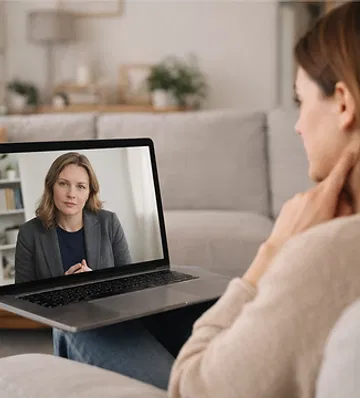
At The Eating Disorders Clinic, we have reimagined this experience. We provide expert assessment and treatment through our online clinic, bringing specialist care directly to your safe space. Our model is built on the belief that effective therapy shouldn't feel like a rigid box you have to fit into; instead, it should be a collaborative journey that integrates seamlessly into your life.
Whether you are navigating Anorexia, Bulimia, Binge Eating Disorder, or ARFID, our online approach offers a bridge to recovery that prioritises your comfort and psychological safety.
Why Choose Online Treatment?
The shift toward telehealth in mental health care is not merely a matter of convenience; it is a clinical evolution. For many individuals, the "clinical" feel of a traditional office can trigger anxiety or sensory overwhelm, making it harder to engage fully in the therapeutic process.
Comfort and Sensory Control
For neurodivergent individuals, including those who are autistic or have ADHD, environmental factors are crucial. Online treatment allows you to control your sensory environment. You can choose your lighting, your seating, and your surroundings. This control reduces the "cognitive load" of navigating a new environment, allowing more energy to be directed toward the session itself.
Integration with Real Life
Recovery doesn't happen in a vacuum; it happens in your kitchen, at your dining table, and within your daily routine. By conducting sessions from home, we can work with you in the very environment where your challenges and successes occur. This "real-world" context helps bridge the gap between clinical insight and daily practice.
Consistency and Accessibility
Geographical location should not dictate the quality of care you receive. Our online model ensures that you can access a multidisciplinary team of dietitians, psychologists, and occupational therapists, regardless of where you live in the UK. It also reduces the stress of travel, making it easier to maintain the consistency that is so vital for progress.
A Neurodiversity-Informed Approach
At the core of our practice is a deep commitment to being neurodiversity-informed. We recognise that many people with eating disorders also experience the world through a neurodivergent lens. Standard "manualised" treatments, while evidence-based, can sometimes feel restrictive or fail to account for sensory sensitivities and executive functioning differences.
We move away from "one-size-fits-all" models. Our team uses a formulation-based approach, which means we work to understand the why behind your experiences before deciding on the how of intervention. We look at the intersection of:
Sensory profiles and food preferences.
Cognitive styles (how you process information).
Emotional regulation strategies.
Life history and potential trauma.
By understanding these underlying layers, we create a treatment plan that feels safe and sustainable rather than forced.
Specialist Care for Diverse Presentations
Eating disorders are heterogeneous; they look different for everyone. Our online clinic is equipped to support a wide range of needs with clinical rigor and deep empathy.
Anorexia and Bulimia
For those experiencing Anorexia or Bulimia, our team provides a compassionate framework for understanding the role these behaviors play in your life. We focus on medical safety alongside psychological exploration, ensuring you feel held by a team that understands the complexities of these conditions.
Binge Eating Disorder (BED)
Binge Eating Disorder is often misunderstood and accompanied by significant shame. Our approach is strictly non-judgmental. We focus on de-pathologizing your relationship with food and identifying the psychological or sensory triggers that lead to binges, helping you find more supportive ways to meet those needs.
ARFID and Sensory Food Issues
Avoidant/Restrictive Food Intake Disorder (ARFID) requires a highly specialised approach, particularly for children and neurodivergent adults. We don't use "pressure" tactics. Instead, our dietitians and occupational therapists work at your pace to expand your "safe" foods and address the sensory barriers that make eating difficult.
Is Online Treatment Effective?
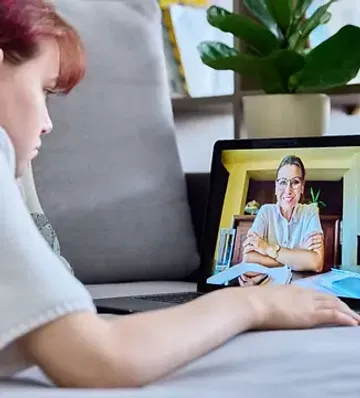
A common question is whether virtual care can match the efficacy of in-person therapy. The research is clear: it can.
Studies have shown that for conditions like anorexia, bulimia, and BED, online delivery of cognitive and family-based therapies produces outcomes comparable to traditional settings. For many, the increased satisfaction and reduced dropout rates associated with telehealth actually lead to better long-term results.
Our clinicians are highly experienced in "reading the room" digitally. We use secure, confidential platforms that allow for meaningful connection, ensuring that the human element of therapy remains front and centre.
Understanding Before Intervention: Our Process
We believe that rushing into change without understanding can lead to "treatment failure," which is often just a mismatch between the patient's needs and the clinician's methods. We follow a structured, steady process to ensure you feel seen.
Specialist Assessment: We begin with a comprehensive look at your current situation, including your history, physical health, and neurodivergent profile.
Collaborative Formulation: Together, we build a "map" of your eating disorder. Why did it start? What keeps it going? What are your unique strengths?
Tailored Support: Based on the formulation, we introduce a multidisciplinary team. This might include sessions with a psychologist for emotional work, a dietitian for nutritional guidance, or an occupational therapist for sensory strategies.
Flexible Pacing: We move at a pace that respects your capacity. Some weeks might focus on small, gentle next steps, while others focus on deeper psychological exploration.

Support for Families and Loved Ones
Eating disorders rarely affect just one person; they impact the entire family system. Our online model makes it easier for parents, partners, and supporters to be involved in the care process. We offer dedicated support and education for families, helping you create a "recovery-ready" home environment without the burnout that often accompanies caregiving.
Creating a Safe Internal Space
While the "online" aspect provides a safe external space, our ultimate goal is to help you build a safe internal space. This means moving away from a focus on external behavioral compliance, doing what you're "supposed" to do, and moving toward an internal sense of safety and autonomy.
We don't view recovery as a battle of willpower. Instead, we see it as a process of learning to listen to your body’s needs, respecting your neurodivergent traits, and finding ways to live a life that isn't dominated by food-related distress.

Taking a Gentle Next Step
If you or a loved one are struggling with an eating disorder, please know that you don't have to navigate this alone. You also don't have to wait until things are "bad enough" to seek help. Early intervention: or simply gaining a clearer understanding of your struggles: can make a profound difference.
Our online clinic is here to provide the expert, compassionate, and flexible care you deserve, right from your own home.
A gentle invitation to explore further:
Learn more about our team of specialist clinicians.
Explore our services for related mental health support, including ADHD assessments and trauma care.
Contact us for an informal inquiry to see if our approach feels like the right fit for your journey.
You are more than a diagnosis, and your path to recovery is uniquely yours. We are here to walk it with you.